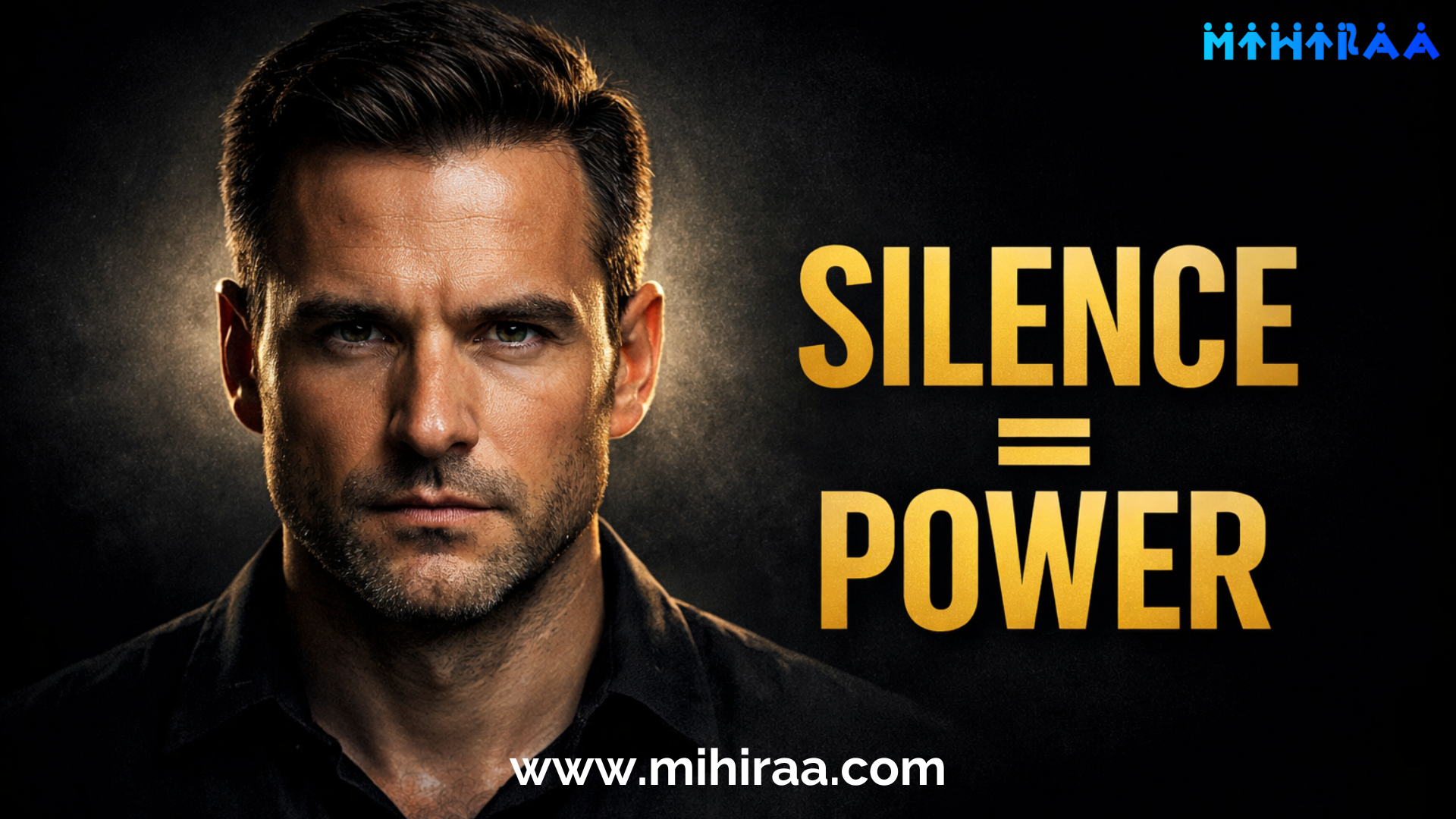
The Power of Silence: How to Master the Art of Silence
Silence is one of the most misunderstood forces in life. Many people see it as weakness, awkwardness, or emptiness. In reality, silence is a tool used by the most confident thinkers, leaders, and communicators in the world. It sharpens your mind, strengthens your presence, and gives your words real weight.
This article will show you how to use silence with intention. When you understand it, you think clearly, speak with purpose, and stay in control—even in difficult moments. Silence is not weakness. It is a skill. A quiet form of strength.
If you understand silence, you stop reacting.
If you master silence, you start leading.
Read this carefully. Read it slowly.
You may want to read it more than once.
And when it clicks—share it with someone who talks too much, listens too little, or needs more calm in their life.
“Not every action demands your response—sometimes silence is the most powerful reply.”
This is not just another article about “being quiet.”
This is a guide to mastering control—in conversations, emotions, and everyday life.
Silence is not empty.
Silence is powerful.
What Silence Really Means
Silence does not mean you have nothing to say.
It means you choose when to speak.
Many people talk to fill space. Others talk because silence makes them nervous. But confident people are comfortable being quiet. They do not rush. They do not explain too much. They do not chase attention.
- Silence is not fear.
- Silence is not shyness.
- Silence is control.
When you speak less, your words carry more weight. People listen because they know you speak with intention.
Why Silence Is So Powerful
Silence works because it slows everything down—your thoughts, your emotions, and your reactions.
1. Silence Clears Your Mind
When things are quiet, your thoughts settle. You understand your feelings better. You stop reacting and start thinking. This leads to better decisions.
2. Silence Reduces Stress
Noise keeps your brain busy. Silence lets it rest. Even a few quiet minutes can calm your body and reset your mind.
3. Silence Makes You a Better Listener
When you stop talking, you truly hear others. People feel respected when they know you are listening—not waiting to reply.
4. Silence Gives You Strength in Conversations
Most people are uncomfortable with silence. When you stay calm in quiet moments, others often speak more than they planned. Silence gives you the advantage without force.
The Power of Silence in Conversations
Silence can completely change how conversations go.
After Asking a Question
- Ask clearly. Then stop talking.
- Do not explain. Do not rush.
Silence invites honesty. It gives the other person space to think and open up.
After Making a Point
- Say what matters. Then pause.
- Do not add extra words.
Silence shows confidence. It tells others you trust your words.
During Emotional Moments
When emotions run high, words can cause damage. Silence gives you time to breathe. It protects you from saying things you might regret.
Sometimes the strongest response is no response at all.
How to Practice Silence Every Day
You do not need a quiet mountain or a perfect setting. You can practice silence in everyday life.
1. Start Small
- Sit quietly for five minutes a day.
- No phone. No music. Just breathe.
- Let thoughts come and go without chasing them.
2. Create Quiet Moments
Turn off screens during coffee, meals, or before bed. Let your mind rest without constant input.
3. Listen More Than You Talk
- Do not interrupt.
- Do not plan your reply while others speak.
- Just listen fully.
4. Pause Before Speaking
Ask yourself:
- Is this necessary?
- Is this helpful?
- Is this the right time?
If not, stay silent.
5. Be Comfortable With Pauses
- A few seconds of silence is not awkward.
- It shows thoughtfulness, calm, and self-control.
Silence vs. Being Quiet
There is an important difference:
- Quiet is what happens around you.
- Silence is what happens inside you.
You can be silent inside, even in a noisy world. Inner silence is a calm mind that does not react to everything.
Common Mistakes About Silence
Silence should be intentional, not passive.
Avoid:
- Using silence to punish or ignore
- Staying quiet out of fear
- Avoiding clarity when speaking is necessary
Good silence is calm, not cold.
Controlled, not careless.
Final Thought
Silence is not about hiding or withdrawing.
It is about awareness, intention, and control.
In a noisy world, silence makes your words stronger.
When you master silence, you stop reacting and start choosing.
Say less.
Listen more.
Think deeper.
Silence is not the absence of power.
It is the source of it.